
How to prepare your hair and makeup properly for a passport photo
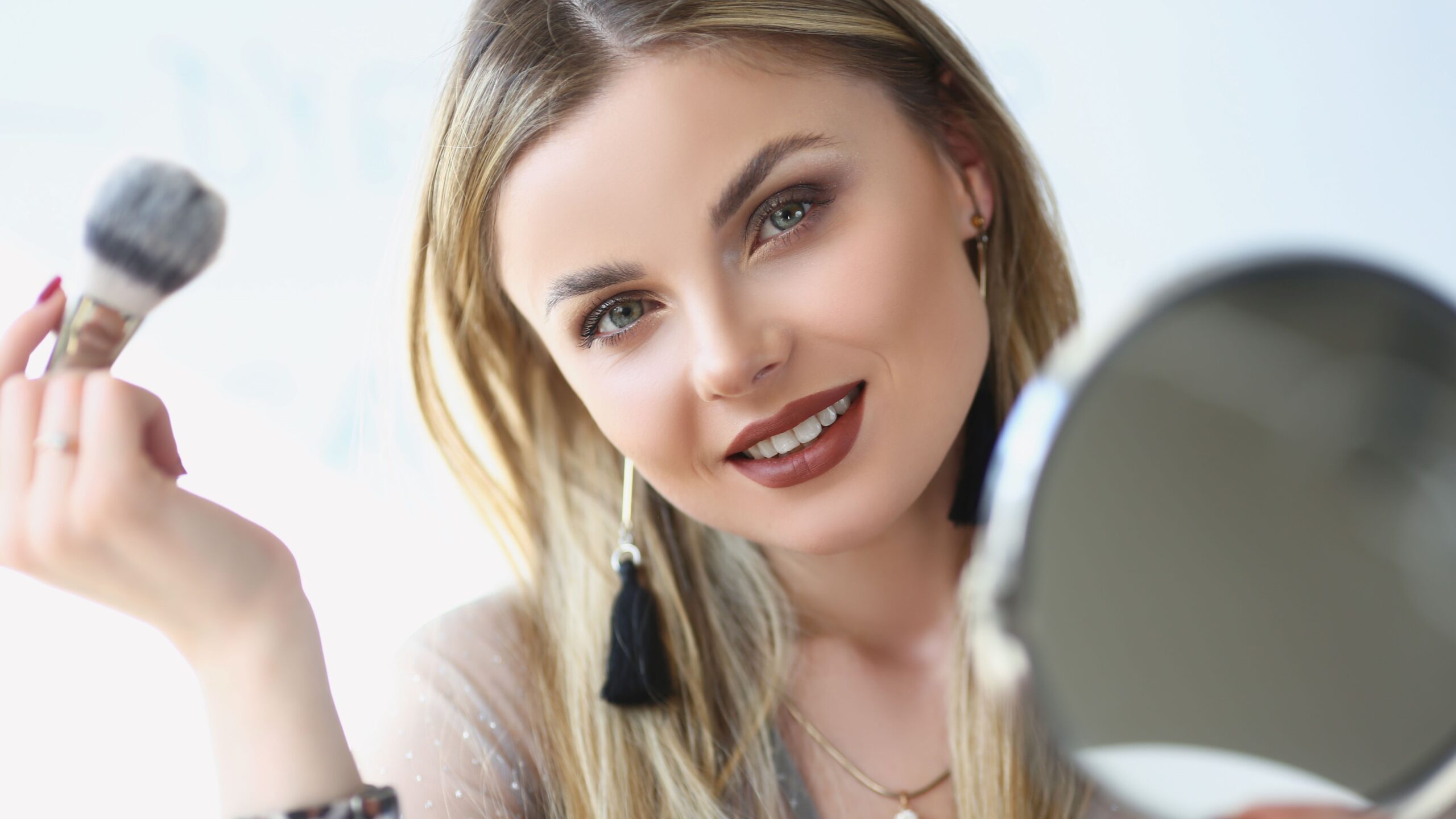
Passport photos are one of those small but mighty details that can make or break your travel plans. You might be thinking, “It’s just a picture, how hard can it be?” But trust me, getting your hair and makeup right for a passport photo is a whole different ball game. A small slip-up—like a stray hair or too much shine—can cause delays or even rejections. Let’s dive into a step-by-step guide to help you nail that perfect passport-ready look.
Why Your Passport Photo Matters More Than You Think
Many people assume that a passport photo is just a trivial step in the process of getting a travel document. After all, it’s just a small picture, right? The truth is, this tiny image carries a lot more weight than most realize. It is the primary visual representation of your identity, and it is used to verify you in countless situations around the world. From airports to immigration offices, from visa applications to hotel check-ins, that small photograph is your official introduction to authorities and institutions globally. A poorly captured or unflattering image can lead to misunderstandings, delays, or even rejections, which can turn a simple travel plan into a stressful ordeal.
Your passport photo is more than just a formality—it is a reflection of how you present yourself in an official context. Think of it like a professional ID or a business headshot; it needs to clearly convey who you are. Any distortion in your features, shadows on your face, or distracting elements in your photo can create confusion for automated identification systems and human officials alike. This is why adhering to official guidelines regarding lighting, background, facial expression, and posture is crucial. Each detail, no matter how small, contributes to a photo that accurately represents you.
Additionally, a passport photo captures a moment in time that may be referenced for years to come. Unlike selfies or casual pictures, it is an official record, meaning your image will be scrutinized under strict standards. Even minor inconsistencies, like uneven hair, excessive makeup, or improper lighting, can cause your photo to be rejected, forcing you to repeat the process. Imagine arriving at the airport only to be told your passport photo is invalid—that’s why preparation and attention to detail matter so much. A well-prepared photo saves time, stress, and unnecessary frustration.
Finally, your passport photo sends a subtle message about professionalism and self-awareness. While it’s important to look natural and not overdone, the photo should also exude confidence, clarity, and composure. You want authorities to recognize you instantly, without any ambiguity or distraction. In essence, your passport photo is your global identification card, a small yet powerful tool that represents you officially in every country you visit. Treating it with the care it deserves ensures that your travel experiences start smoothly and without unnecessary obstacles.
Understanding Passport Photo Requirements
| Requirement | Description | Why It Matters | Common Mistakes | Tips for Compliance |
| Neutral Expression | Keep your facial expression relaxed with a closed mouth; avoid smiling, frowning, or exaggerated expressions. | Ensures your face is recognizable and meets official standards for identification. | Smiling too broadly, frowning, or raising eyebrows. | Relax your face, think neutral thoughts, and avoid posing. |
| Face Visibility | Your entire face, from forehead to chin, must be clearly visible. Hair or accessories should not cover any part of your face. | Complete facial visibility is crucial for accurate identification in airports and border control. | Hair covering eyes or forehead, hands on face, shadows obscuring features. | Tuck hair behind ears and use minimal accessories. Ensure lighting highlights your face evenly. |
| Plain Background | The background should be plain, usually white or light gray, with no patterns, objects, or textures. | A simple background allows facial features to stand out clearly for official scanning and recognition. | Using patterned walls, dark colors, or cluttered backgrounds. | Stand in front of a white or light-colored wall or use a plain backdrop. |
| Head Position | Keep your head straight and facing the camera, without tilting or turning. | A straight-on position ensures symmetry and consistent appearance for identification purposes. | Tilting your head, looking sideways, or slouching. | Use a mirror to check alignment before the photo and maintain upright posture. |
| No Accessories | Avoid hats, sunglasses, scarves, or any items that cover or obscure your face. | Accessories can interfere with identification and may lead to photo rejection. | Wearing large glasses, hats, or scarves. | Remove all face-covering accessories; only minimal jewelry that does not obscure your face is acceptable. |
Start With a Clean Canvas
Your passport photo should reflect your natural self, so preparing your skin properly is crucial. Think of your skin as a blank canvas—it needs to be healthy, smooth, and fresh before you apply any makeup. Here’s a detailed list of steps to get your skin photo-ready:
- Deep Cleanse Your Skin – Start by washing your face thoroughly to remove dirt, oil, and any leftover makeup. Clean skin ensures that your natural features show clearly and prevents any unwanted shine or blotches in your photo. Consider using a gentle cleanser that suits your skin type, whether it’s oily, dry, or combination.
- Exfoliate for Smoothness – If your skin has dry patches or rough texture, a light exfoliation a day before taking your photo can help. This removes dead skin cells and allows your makeup to sit evenly, giving your face a polished and fresh look.
- Hydrate with a Good Moisturizer – Moisturized skin looks healthier, plumper, and more radiant. Choose a lightweight, non-greasy moisturizer to avoid shine that can reflect light and distort your facial features in the photo.
- Apply a Primer (Optional) – A thin layer of primer can create a smooth base for your makeup and control oil throughout the day. This is especially helpful if you tend to get shiny in your T-zone or have uneven skin texture.
- Avoid Heavy Products – Skip thick foundations or layered creams that can appear cakey under bright lighting. Heavy products can flatten your natural contours and make your skin look unnatural in photos.
- Keep It Natural – Less is more when it comes to passport photos. The goal is to enhance your natural features, not mask them. Focus on creating an even, healthy skin tone and subtle enhancements rather than dramatic coverage.
- Check Your Skin in Natural Light – Before applying any makeup, look at your face in natural light. This helps you identify any spots, redness, or uneven tones that might need a gentle touch-up.
- Quick Touch-Up Before the Photo – Even after cleansing and moisturizing, blot any excess oil or shine right before your photo. A small amount of setting powder can help, but keep it light to avoid creating an artificial look.
Choosing the Right Hair Style
When it comes to passport photos, simplicity is key. While you might love experimenting with trendy hairstyles like messy buns, intricate braids, or voluminous curls, these styles can actually detract from the main goal: having your face clearly visible. Passport authorities need to see your full facial features without any obstruction, so a neat and straightforward style always works best. Think of your hair as a frame for your face—it should complement, not overpower, your natural features.
For women, the most reliable approach is to wear hair down or loosely styled, making sure it’s tucked neatly behind the ears. Avoid heavy bangs or fringe that cover the forehead or eyebrows, as this can hide important facial features and may even lead to your photo being rejected. Soft, natural styles that keep your face fully visible not only comply with official standards but also help present a polished, confident image. Subtle adjustments like gently pinning stray strands or smoothing flyaways can make a big difference.
Men should opt for classic, clean hairstyles that don’t draw attention away from the face. Short, neatly combed styles work best, while extreme spikes, bold coloring, or overly styled looks can be distracting in official photos. Even facial hair should be well-groomed, and any style that casts shadows on the face should be avoided. The goal is to ensure that your appearance is professional, tidy, and easily recognizable for identification purposes.
Finally, it’s important to avoid elaborate or over-the-top hairstyles altogether. Big curls, complex updos, or highly textured styles can create shadows and uneven lighting in your passport photo, making certain features less visible. A well-lit, evenly balanced appearance is crucial for official images. By choosing a simple, neat hairstyle, you guarantee that your face is the focal point of the photo, ensuring both compliance with regulations and a natural, confident look.
Hair Preparation Tips
| Tip | Description | Why It Matters | Common Mistakes | Practical Advice |
| Wash the Day Before | Wash your hair a day before your photo session, rather than the same day. | Freshly washed hair can be too fluffy or difficult to control, leading to messy strands. | Washing hair right before can make it appear puffy or unmanageable. | Wash your hair the evening before and style lightly the next day for better control. |
| Use Minimal Products | Apply only necessary hair products, such as light serum or minimal styling cream. | Too much hairspray, gel, or mousse can create unnatural shine or stiff areas in photos. | Overuse of products that make hair shiny or rigid. | Use just enough product to smooth flyaways and enhance natural texture. |
| Tame Flyaways | Smooth any stray hairs using a soft brush, comb, or a small amount of serum. | Ensures a neat, polished appearance and prevents distraction from your face. | Leaving flyaways that cast shadows or look untidy in the photo. | Gently comb hair back or use serum sparingly to keep strands in place. |
| Frame Your Face | Make sure hair doesn’t cover key facial features like your forehead, eyebrows, or ears. | Proper framing ensures facial features are fully visible for identification purposes. | Hair covering eyes, forehead, or ears, which can lead to photo rejection. | Tuck hair behind ears or pull it slightly back while keeping a natural look. |
| Keep It Simple | Avoid complex styles, big curls, or elaborate updos that cast shadows. | Simple hairstyles allow for even lighting and a clear view of your face. | Overly styled or voluminous hair that creates uneven shadows. | Stick to classic, neat, and natural styles that highlight your face. |
Makeup Basics for Passport Photos
Passport photos are all about capturing a clear, natural, and professional version of yourself. Heavy or overly dramatic makeup can look harsh under bright lighting and may distort your features. Here’s a comprehensive list of steps and tips to achieve a polished, photo-ready look:
- Choose the Right Foundation – Use a foundation that matches your natural skin tone perfectly. Avoid foundations with shimmer, SPF, or reflective particles, as they can create glare under bright lighting. Apply in a thin, even layer to create a smooth, natural base without masking your natural features.
- Conceal Strategically – Use concealer sparingly to cover under-eye circles, blemishes, or redness. Avoid over-layering, which can make the skin look cakey or unnatural. Blend well so that your skin maintains a soft, healthy appearance.
- Keep Blush Subtle – Apply a soft, natural blush to add a hint of color to your cheeks. Avoid overly bright or dark shades, which can appear exaggerated in photos. The goal is to achieve a natural flush that enhances your complexion without standing out unnaturally.
- Minimal Contouring – Light contouring is acceptable to define facial features, but heavy bronzer or contour powders can cast shadows and distort your appearance. Focus on subtle enhancement rather than dramatic sculpting.
- Define Brows Lightly – Your eyebrows frame your face and make your expression more noticeable. Use a brow pencil or powder to fill sparse areas lightly, keeping the shape natural. Avoid dark, overly sharp lines that can look artificial.
- Neutral Eye Makeup – Stick to neutral, soft shades for eyeshadow. Avoid bold or dark colors that can make your eyes look smaller or overly dramatic. Heavy eyeliner should be avoided, as it can create harsh lines under flash photography.
- Avoid False Lashes – While false eyelashes can be glamorous, they often look exaggerated in official photos. Use natural mascara to define your lashes without creating an artificial appearance.
- Natural Lips – Choose lip colors that are close to your natural shade, such as nude, soft pink, or clear lip balm. Avoid bright reds, deep purples, or highly glossy finishes, as these can reflect light and create uneven highlights in the photo.
- Control Shine – Use a light setting powder on areas prone to oiliness, such as the forehead, nose, and chin. This will help reduce shine and ensure even lighting in your photo.
- Setting Spray – A light mist of setting spray can help keep makeup in place and maintain a natural, matte finish throughout the photo session. This ensures your look stays consistent even under bright lights or multiple photo attempts.
- Check in Natural Light – Always review your makeup in natural daylight before the photo. Artificial lighting can hide imperfections or exaggerate flaws, so natural light helps ensure everything looks balanced and even.